

July 2026 Newsletter: A new briefing, workers define fair work for themselves and more
31/07/2026
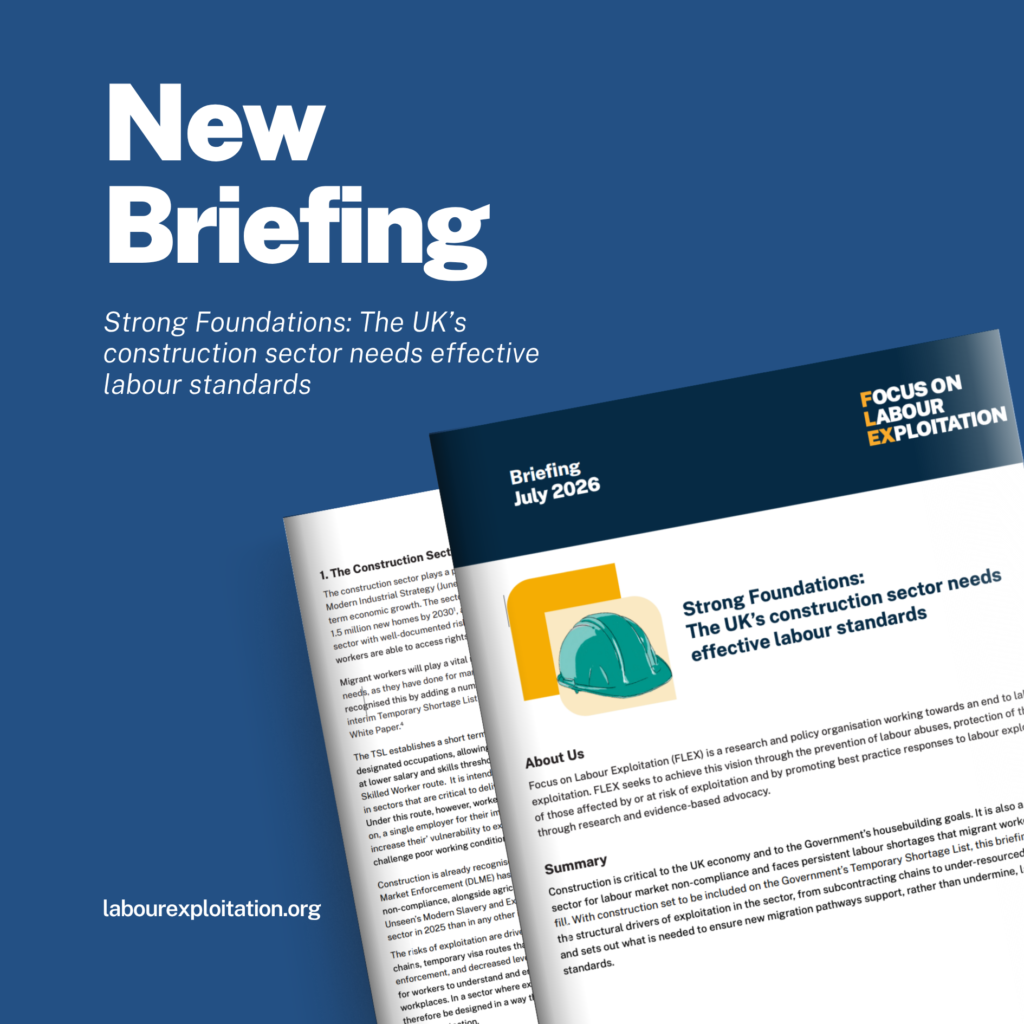
New FLEX briefing examines structural issues and solutions for the UK’s high-risk construction sector
If the UK is to meet its housebuilding goals, hundreds of thousands more workers will be needed in the construction industry in the coming years. However, construction has long been recognised as a high-risk sector for labour market non-compliance and labour abuse.
In our latest briefing paper, Strong Foundations: The UK’s construction sector needs effective labour standards, we examine the structural drivers of exploitation in the industry. The briefing explores the issues of subcontracting chains, under-resourced enforcement and restrictive visa routes and sets out what is needed to ensure that new migration pathways support rather than undermine labour standards.
Workers are defining what fair work should look like in outsourced cleaning
The issue is why do some [insourced] workers get paid more, especially at weekends when they get enhancements, but you’re working alongside them doing the same job and you’re on a lower wage?
Focus group participant
As part of FLEX’s ongoing work to develop worker-centred standards for outsourced services, we recently hosted a focus group with GMB Union, bringing together outsourced cleaning workers to learn from their lived experiences and perspectives of work in the sector. Discussions explored the themes of pay, treatment, inclusion, contracts and working conditions, among other topics, and highlighted the key issues and improvements that workers want to see.
Participants identified fair pay as their highest priority issue but also explored the importance of fair treatment beyond pay, sharing invaluable perspectives on respect, support and dignity in the workplace that shape workers’ daily realities.
It is essential that workers have opportunity to voice their own experiences if we are to truly drive-up labour standards and tackle exploitation and abuse in outsourced industries such as cleaning. We hope that these insights can support employers investigating their own standards of practice and strengthen worker-centred human rights due diligence approaches. Read more about what workers had to say in our new blog.
Tackling exploitation of migrant fishers in the UK fishing industry
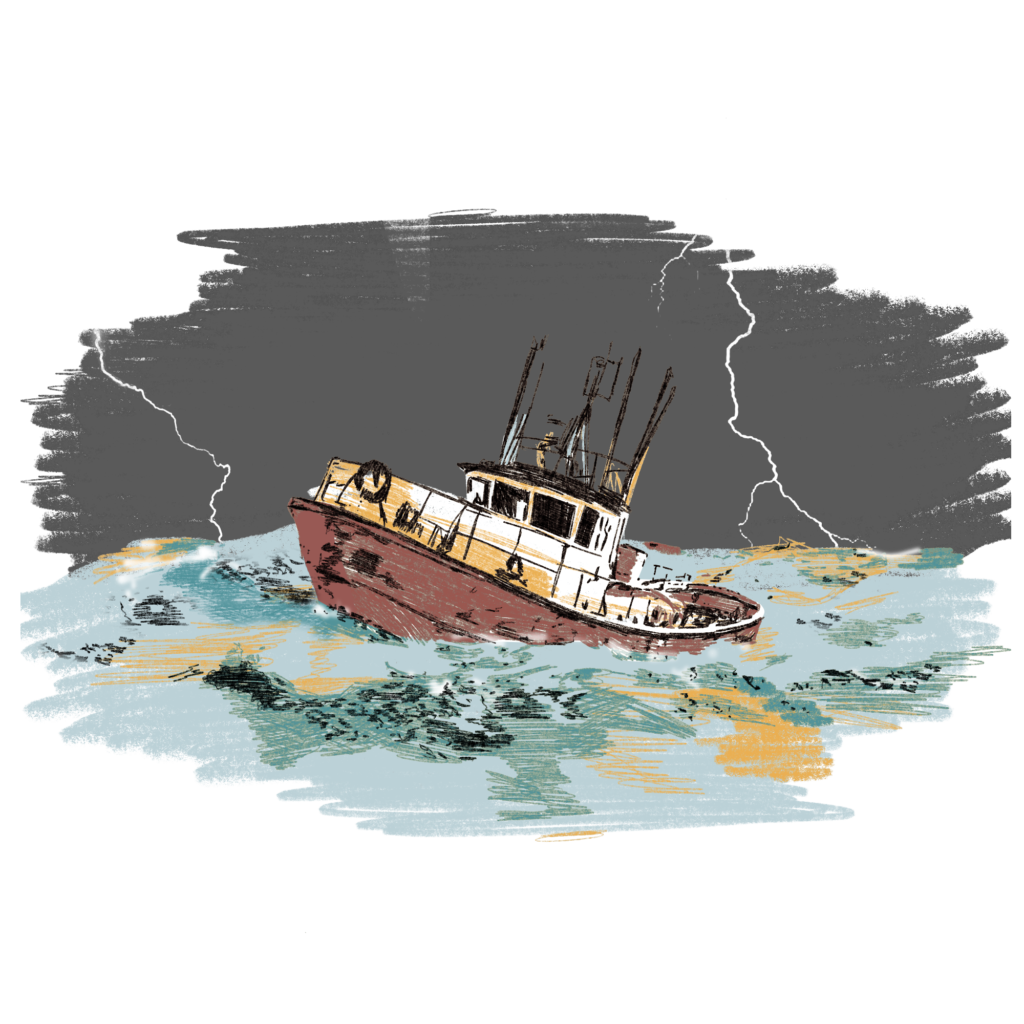
Organisations issue Joint Letter to the Home Secretary
Tackling the drivers of exploitation in UK fishing continues to be a priority focus area for FLEX. This month, FLEX and five partner organisations wrote a joint letter to the Home Secretary to raise concerns about the serious human rights abuses experienced by many migrant workers in the industry. The letter is a follow-up to a previous letter issued in November 2024 on the same issue. It urges the development of a coordinated cross-government response and highlights the failure to end the misuse of the Code 7 Contract Seafarer Stamp (the “Transit Loophole”). The signatories also put forward 10 key reforms which are essential to improving labour standards and protecting workers’ rights across the UK fishing industry.
Save the date: free webinar on the intersection of workers’ rights and the fish+ sector
Join us on Friday 7 August for Fish+ in a Good Food Nation: Livelihoods at Sea, a free online event from Nourish Scotland. This event is the second webinar in a series investigating how workers’ rights intersect with the fish+ sector, featuring Oska Paul, Policy Officer at FLEX and Chris Williams, fisheries section coordinator at the International Transport Workers’ Federation (ITF). The webinar will explore the realities of labour in the sector, from exploitation risks to the role of trade unions, and what could be done to build a more just aquatic food system. Confirm your tickets online.
Leading anti-trafficking and modern slavery organisations take a stand against the Immigration and Asylum Bill

On 2 July, nine organisations fighting modern slavery and human trafficking issued a joint statement on the Immigration and Asylum Bill currently progressing through Parliament. The statement warns that provisions in the Bill will penalise survivors for their trauma and embolden traffickers. In the statement, organisations outline serious concerns that the Bill will block survivors from accessing vital National Referral Mechanism identification and support, harm child trafficking victims and perpetuate hostile narratives and misinformation about system ‘misuse’.
Signatories urge parliamentarians to oppose the Bill and instead commit to supporting survivors and punishing perpetrators.
Not signed up to the FLEX Newsletter? Click here