


Amos Mhando
August 2026 Newsletter: Change starts with working together
02/09/2026
Amos Mhando
From visa schemes to responsible outsourcing, creating fairer and safer working conditions starts with workers having a meaningful role in shaping the solutions.
Latest Updates
What does responsible outsourcing look like in practice?
Meaningful worker engagement is about more than consulting workers. It means ensuring their experiences and priorities shape the decisions and solutions that affect them.
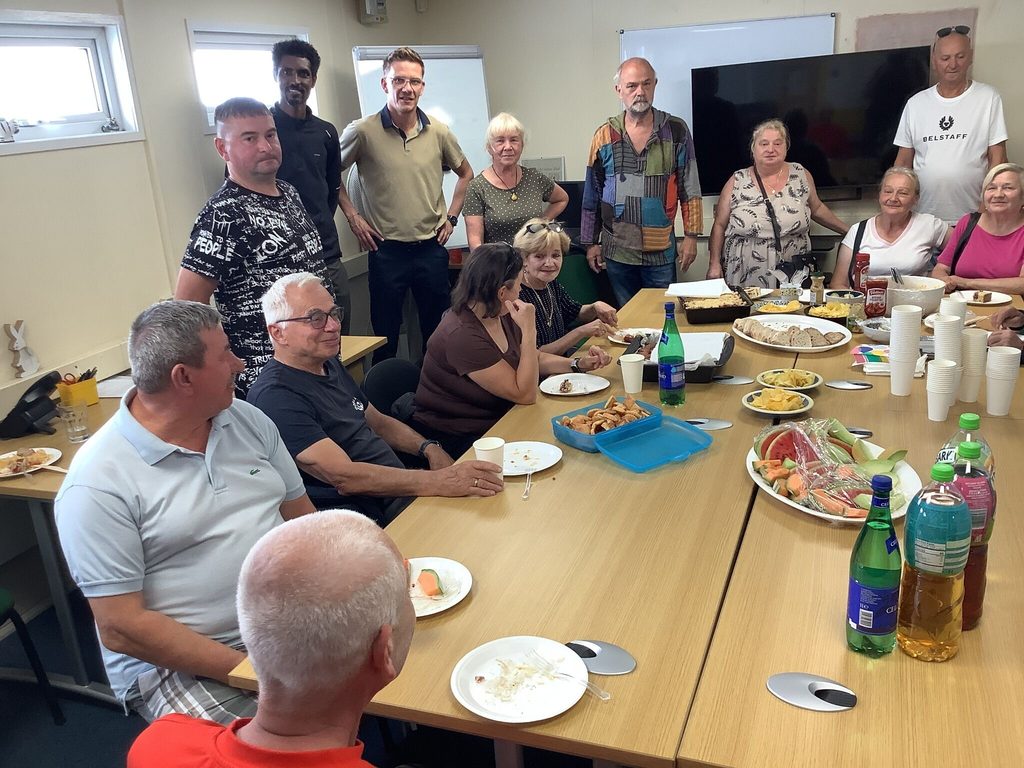
That’s why FLEX worked with Derbyshire Unemployed Workers’ Centre (DUWC) this August, to bring workers’ experiences into new research on the working conditions and human rights risks in logistics supply chains.
During a discussion group session (pictured above), outsourced warehouse workers in the East Midlands explored themes such as working conditions, job security, treatment at work and workers’ ability to have a meaningful voice, as well as changes workers believe could improve conditions across the sector.
Their insights will help identify practical steps businesses should take to strengthen human rights due diligence and improve conditions in their outsourced operation. We are deeply grateful to everyone who took part in the focus group and to the DUWC team for organising and facilitating this session.
Workers in less visible jobs are dealing with dangerous heat

2026 is looking likely to become the hottest summer ever recorded in the UK. What impact might this be having on hidden areas of the UK’s workforce?
During an extreme heat event, inadequate working environments can pose a serious and immediate danger to workers’ health and safety.
Last year, FLEX published “You get burnt out, you get exhausted”: an initial exploration of workers’ experiences in dark kitchens. The research found that many workers reported a lack of ventilation and older equipment in their places of work compared with traditional restaurant kitchens, contributing to increased physical and mental exhaustion.
With extreme temperatures becoming increasingly common in the UK, it is vital that workers operating in less visible industries and places of work are not forgotten, and that employers prioritise worker health, safety and wellbeing.
Visa scheme review should focus on ensuring workers can exercise rights as workers
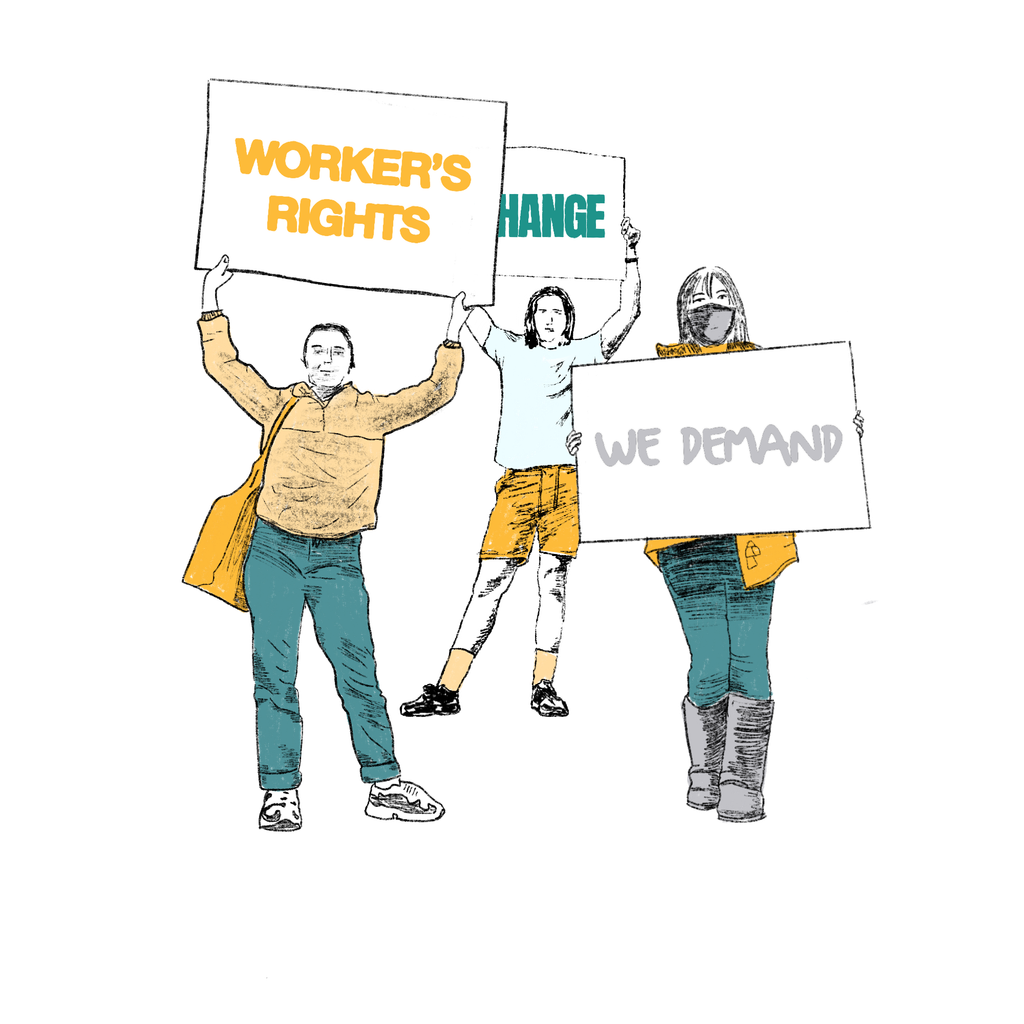
The Home Office’s current review of the Overseas Domestic Worker visa provides an opportune moment for the UK to learn from and collaborate more with migrant domestic workers to build a system that protects their rights in practice.
In our new blog, FLEX’s Head of Policy, Kate Roberts, reflects on the changes to the Overseas Domestic Worker Visa route from the 1980s to today. The hard-won campaign for a visa which recognised domestic workers as workers has been undermined by changing the route to a short-term, non-renewable visa that puts migrant workers at increased risk of exploitation and abuse. Only a visa which permits migrant domestic workers to change their employer and apply to renew their visa will address this.
Experts discuss intersection of workers’ rights with the fish+ sector

This August, FLEX’s Policy Officer, Oska Paul, presented at Nourish Scotland’s latest webinar to discuss the realities of labour in the UK’s fishing industry. Alongside Chris Williams, fisheries section coordinator at the International Transport Workers’ Federation (ITF), we explored the risks of labour exploitation facing the sector, the role of trade unions and what could be done to build a fairer aquatic food system.
Missed the live event? Catch up with the free, on-demand recording, available from Nourish Scotland.
Join our upcoming events
Webinar: Justice for All Workers: Learning from Australia’s Workplace Justice Visa
Tuesday 29 September 2026 9.30am-11.00am (BST)
In this webinar, co-hosted by FLEX and the Trades Union Congress, we will hear about the implementation of the Workplace Justice Visa in Australia and discuss how creating a UK Workplace Justice Visa could ensure that workers experiencing labour exploitation can report abuse, change employers and pursue workplace justice without risking the loss of their immigration status and permission to work.
Our expert panel will also explore the broader role that the visa could play in strengthening workers’ rights, labour market enforcement and trade union organising.
Webinar: A seat at the table? Lessons from testing worker-centred human rights due diligence in outsourced services
Wednesday 30 September 2026 10.00am-11.00am (BST)
Over five years, FLEX has worked alongside workers, businesses, suppliers and civil society organisations to test what it takes to put workers at the centre of human rights due diligence (HRDD) in outsourced service supply chains.
Join us for a free one-hour webinar to launch our new learning report and hear what we learned from putting worker-centred HRDD into practice.
We will share practical examples from the project, including what worked, what challenged our assumptions, what we changed along the way and what we would do differently.
Not signed up to the FLEX Newsletter? Click here