

February 2026 Newsletter: What migrant domestic workers need from the Fair Work Agency
27/02/2026

Migrant domestic workers have faced tough conditions and worsening support from successive governments.
They work in private households, behind closed doors; by definition, their work is hidden from sight from everyone except them, their employer and the household. Often, the domestic worker will be entirely on their own, sleep in the same house they work in, and be asked to ‘help out’ with work that goes beyond their remit.
Domestic work is consistently undervalued as work, often viewed as being done out of love for the children rather than as a typical working relationship.
For migrant domestic workers, with limited time, knowledge, money or language to operate outside that household, and possibly no support network in the country at all, the risks of exploitation are extreme. The visa structure is at the heart of this issue. Workers’ status, knowledge of their status, location, pay, employer’s details and awareness about their rights are all dependent on the employer, which creates huge vulnerabilities.
The Fair Work Agency has a chance to turn that around. In a new briefing for the Fair Work Agency, written alongside members from The Voice of Domestic Workers, we detail what domestic workers need from the FWA.
How FLEX puts workers at the centre of Human Rights Due Diligence

Ever wondered how FLEX works with companies to understand the day-to-day experiences of their outsourced workers: cleaners, security guards, or logistics teams?
Since 2021, we’ve partnered with brands to increase visibility across their service supply chains – helping them spot risks early, make more informed sourcing decisions, and strengthen supplier capability.
The FLEX Worker-Centred model is built with workers from the outset, uncovering gaps that aren’t visible through traditional audits alone. This resulted in:
- Stronger and more timely Living Wage implementation
- Formal recognition and protocols for lone working
- Access to rest breaks in dedicated spaces
Without worker engagement, companies only see part of the picture. This engagement must be safe for the workers, and trusted in theory and in practice.
Read our latest blog on the pilot here.
From Philippine’s Coast to UK Waters: Interviews with local fishers with experience in the UK
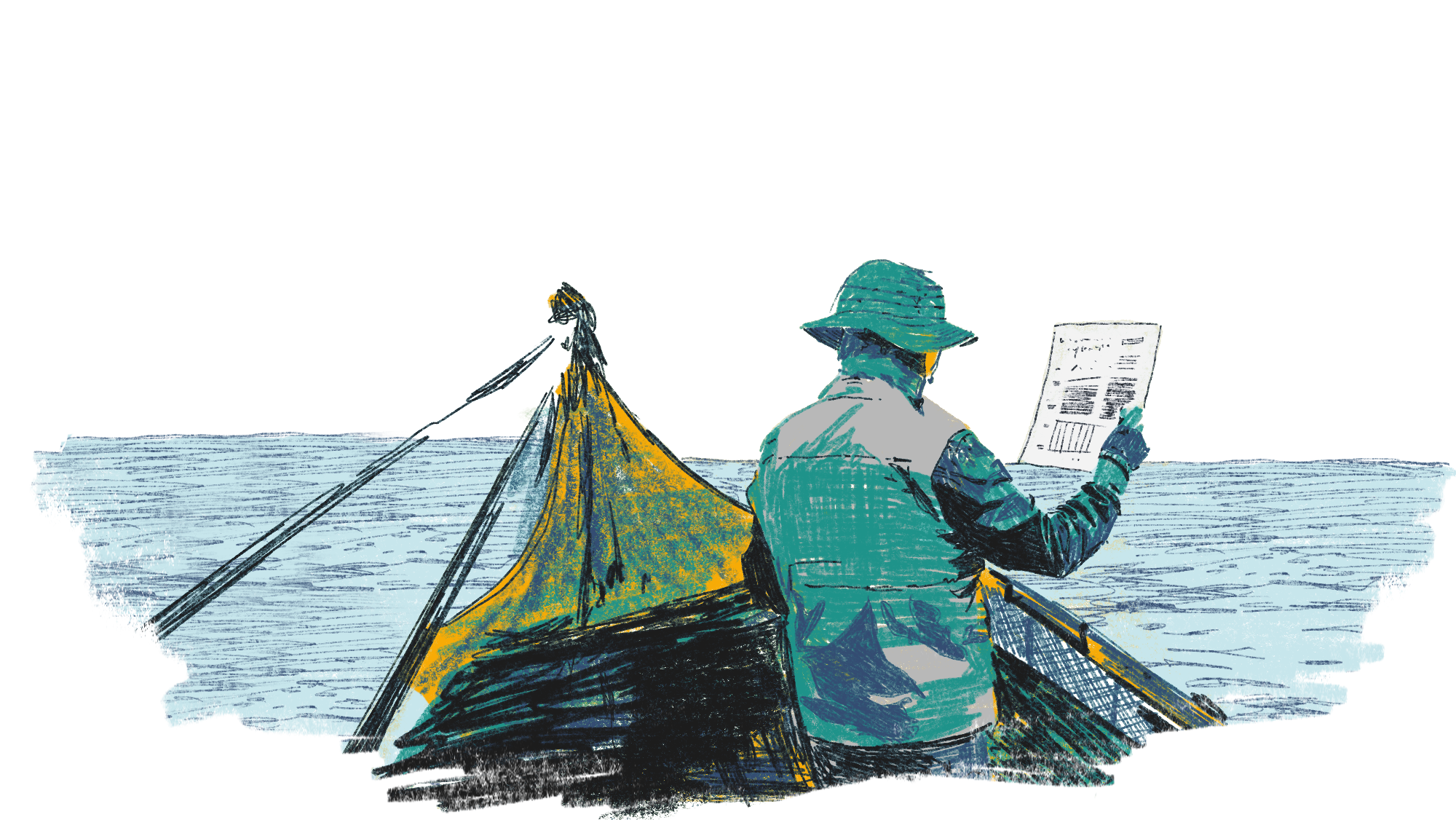
“When I began my fieldwork on Filipino migrant fishers who had worked in the UK, I knew the stories would be interesting, rich and complex. What I didn’t anticipate was just how difficult it would be to find the very people whose experiences I hoped to capture.”
In this guest blog for Focus on Labour Exploitation, researcher Kookie Gutierrez reflects on the challenges faced when engaging with Filipino migrant fishers and their experiences on UK vessels.
These difficulties might be hard to overcome, but present the very reason why this work is so important.
In Case You Missed It: Valentine’s Day 2026: The Right to Love
On Valentine’s Day, we wrote a piece to shine a light on how visa systems strip away the right to family life from migrant workers, effectively commodifying people.
Migrant workers deserve the same right to enjoy love and family life as anyone else.